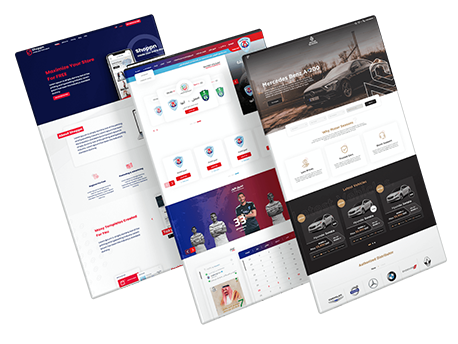

How to Create a Successful Website: Complete Step-by-Step Guide
Creating a successful website starts long before the actual design and development process. Proper planning, choosing the right domain and hosting, understanding your target audience, and creating a clear website structure are essential steps for building a professional online presence.
Whether you are creating a personal website, a company website, or an eCommerce store, having a complete vision before starting will save time, reduce costs, and help you achieve better results.
In this guide, we will explain the most important steps to create a successful website, from planning and design to hosting, payment methods, SEO, and ongoing website development.
What Is Website Design?
Website design is the process of creating the visual appearance, structure, layout, and user experience of a website.
It includes the design of the homepage as well as internal pages such as:
-
About Us
-
Services
-
Products
-
Blog
-
Contact Us
-
Frequently Asked Questions
-
Landing Pages
Website development, on the other hand, focuses on turning the design into a functional website using different technologies and programming languages.
HTML is commonly used to create the basic structure of web pages, while other technologies such as CSS, JavaScript, PHP, ASP.NET, and Python may be used to develop website functionality and interactive features.
Steps to Create a Successful Website
Creating a professional website requires several important stages. Each step plays a major role in the overall success of your website.
1. Define Your Website Goals
The first step is to clearly identify what you want your website to achieve.
Ask yourself:
-
Do you want to promote your company?
-
Do you want to sell products online?
-
Do you want to generate leads?
-
Do you want customers to contact your business?
-
Do you want to publish educational content?
-
Do you want to build brand awareness?
Having clear objectives will help you make better decisions throughout the design and development process.
2. Understand Your Target Audience
A successful website should be designed around the needs of its visitors.
Before starting the design, identify your target audience and understand:
-
Their age group
-
Their interests
-
Their needs
-
Their purchasing behavior
-
The devices they commonly use
-
The language they prefer
-
The problems they are trying to solve
Understanding your audience will help you create a website that provides a better user experience and encourages visitors to take action.
3. Choose the Right Domain Name
A domain name is the address people use to access your website.
For example:
yourcompany.com
A good domain name should be:
-
Short
-
Easy to remember
-
Easy to spell
-
Related to your brand or business
-
Professional
-
Suitable for long-term use
Common domain extensions include:
-
.com
-
.net
-
.org
-
Country-specific domain extensions
You can check the availability of your preferred domain using the Domain Checker.
4. Choose Reliable Website Hosting
Website hosting is the online storage space where your website files, images, databases, and other content are stored.
Choosing reliable hosting is important because it can directly affect:
-
Website speed
-
Website security
-
Website availability
-
User experience
-
SEO performance
There are several types of website hosting, including:
-
Shared Hosting
-
Business Hosting
-
Dedicated Servers
-
Cloud Hosting
-
Windows Hosting
The best hosting option depends on the size of your website, expected traffic, required resources, and budget.
5. Plan Your Website Structure
Before designing the website, create a clear structure for all important pages.
A typical business website may include:
-
Home
-
About Us
-
Services
-
Products
-
Portfolio
-
Blog
-
Contact Us
Creating a sitemap makes it easier to organize website content and determine how different pages will connect to each other.
A clear website structure also helps both users and search engines navigate your website efficiently.
6. Create Website Mockups
A website mockup provides an initial visual representation of how the website will look before development begins.
Mockups can help determine:
-
Page layout
-
Header design
-
Menu structure
-
Image placement
-
Buttons
-
Forms
-
Colors
-
Typography
-
Calls to action
Creating website mockups allows you to review the overall design before spending time on development.
7. Choose the Right Colors
Colors play an important role in website design and brand identity.
When selecting website colors:
-
Use colors that match your brand identity.
-
Choose colors that create the right emotional response.
-
Maintain good contrast between text and backgrounds.
-
Avoid using too many colors.
-
Keep the color scheme consistent throughout the website.
-
Test colors on different devices and screen sizes.
A consistent color palette makes your website look more professional and recognizable.
8. Review Similar Websites
Studying other websites can help you generate ideas for your own website.
Look for websites within your industry and evaluate:
-
Navigation
-
Page structure
-
Colors
-
Typography
-
Calls to action
-
Images
-
Content presentation
-
Features
-
Mobile design
You can then discuss the ideas you like with your website designer.
The goal is not to copy competitors but to understand industry standards and identify opportunities to create something better and more distinctive.
9. Create a Strong Brand Identity
Your website should reflect your brand consistently.
Important brand elements include:
-
Logo
-
Brand colors
-
Fonts
-
Icons
-
Image style
-
Tone of voice
-
Graphic elements
If your business does not already have a brand identity, it is recommended to establish one before completing the website design.
Consistent branding helps visitors recognize and remember your business.
10. Choose the Website Language
Determine the primary language of your website based on your target audience.
If your company serves customers from different countries or language groups, you may consider creating a multilingual website.
When creating multilingual content:
-
Use professional translations.
-
Avoid automatic translations without review.
-
Keep the meaning consistent across languages.
-
Create clear language-switching options.
-
Optimize each language version for search engines.
Providing content in your customers’ preferred language can significantly improve user experience.
11. Select Payment Methods
If you are creating an eCommerce website, selecting appropriate payment methods is essential.
Common payment options may include:
-
Credit cards
-
Debit cards
-
Electronic payment gateways
-
Digital wallets
-
Bank transfers
-
Cash on delivery, where applicable
Your payment system should be:
-
Secure
-
Easy to use
-
Reliable
-
Mobile-friendly
-
Compatible with your target market
Customer payment information should always be protected using appropriate security technologies.
12. Design a Mobile-Friendly Website
A large percentage of internet users browse websites using smartphones.
Your website should therefore work properly on:
-
Desktop computers
-
Laptops
-
Tablets
-
Smartphones
Responsive website design automatically adjusts the layout according to the visitor’s screen size.
A mobile-friendly website provides a better user experience and can also support better search engine performance.
13. Optimize Website Speed
Website speed is an important part of both user experience and SEO.
You can improve website performance by:
-
Optimizing images
-
Using reliable hosting
-
Reducing unnecessary plugins
-
Using caching
-
Optimizing website code
-
Using cloud hosting when appropriate
-
Using a Content Delivery Network (CDN)
Visitors are more likely to leave websites that take too long to load.
14. Prepare High-Quality Content
Content is one of the most important elements of a successful website.
Your website content should be:
-
Clear
-
Informative
-
Original
-
Useful
-
Easy to read
-
Relevant to your audience
Avoid publishing content only for search engines.
Instead, focus on answering visitors’ questions and providing useful information that helps them understand your products or services.
15. Optimize Your Website for SEO
Search Engine Optimization, or SEO, helps improve your website’s visibility in search engines.
Basic SEO practices include:
-
Choosing relevant keywords
-
Creating descriptive page titles
-
Writing useful content
-
Using proper headings
-
Creating internal links
-
Optimizing images
-
Improving website speed
-
Creating mobile-friendly pages
-
Writing effective meta descriptions
-
Using clear URLs
SEO should be considered from the beginning of the website development process rather than added after the website is completed.
16. Connect Your Website to Social Media
Social media can help increase awareness of your website and attract new visitors.
You can connect your website with platforms such as:
-
Facebook
-
Instagram
-
LinkedIn
-
YouTube
-
TikTok
-
X
Add links to your social media accounts and make it easy for visitors to share useful website content.
17. Install Website Analytics
Website analytics tools help you understand how visitors interact with your website.
You can monitor important information such as:
-
Number of visitors
-
Traffic sources
-
Most visited pages
-
Time spent on the website
-
Visitor locations
-
Devices used
-
Conversion rates
-
User behavior
Regularly reviewing website analytics helps you identify opportunities for improvement.
18. Test the Website Before Launch
Before publishing your website, test all important functions.
Check:
-
Navigation menus
-
Contact forms
-
Buttons
-
Links
-
Images
-
Mobile responsiveness
-
Website speed
-
Payment processes
-
Language versions
-
Browser compatibility
Testing helps identify problems before visitors encounter them.
19. Develop an Existing Website
If you already have a website, you may not need to build a completely new one.
Website development can include:
-
Updating the design
-
Improving website speed
-
Adding new pages
-
Improving mobile compatibility
-
Updating content
-
Fixing technical problems
-
Improving SEO
-
Adding new features
-
Improving website security
When working with a developer, provide clear information about the required modifications, your budget, and your expected goals.
20. Maintain and Update Your Website
Launching your website is not the final step.
A professional website requires regular maintenance.
You should:
-
Update website software.
-
Update plugins and themes.
-
Publish new content.
-
Check website security.
-
Monitor website performance.
-
Fix broken links.
-
Update outdated information.
-
Review analytics.
-
Back up the website regularly.
Regular maintenance keeps your website secure, fast, and useful for visitors.
Additional Tips for Creating a Successful Website
To get better results from your website:
-
Choose a memorable domain name.
-
Use reliable website hosting.
-
Create valuable and original content.
-
Keep the website design simple and professional.
-
Make navigation easy.
-
Use clear calls to action.
-
Optimize the website for mobile devices.
-
Improve website loading speed.
-
Follow SEO best practices.
-
Protect customer information.
-
Promote the website through social media.
-
Monitor website analytics regularly.
-
Continue improving the website based on user behavior.
Why Is Having a Professional Website Important?
With the rapid growth of digital technology, having a professional website has become essential for many businesses.
A website can help your company:
-
Build credibility
-
Reach new customers
-
Display products and services
-
Generate leads
-
Increase sales
-
Provide customer information
-
Strengthen brand awareness
-
Compete more effectively online
However, simply having a website is not enough.
The website must provide a professional design, useful content, good performance, strong security, and an excellent user experience.
Work With Professional Website Designers
Creating and managing a professional website requires experience in several areas, including:
-
Website design
-
Website development
-
Hosting
-
SEO
-
Content creation
-
Security
-
Performance optimization
Working with experienced professionals can help save time and ensure that your website is built according to modern technical and design standards.
First Marketing provides website design and development services for businesses looking to establish or improve their online presence.
Conclusion
Creating a successful website requires careful planning, professional design, reliable hosting, high-quality content, good performance, and continuous development.
Start by identifying your website goals and target audience, then choose the right domain and hosting solution. Create a clear website structure, design a consistent visual identity, optimize the website for different devices, and make SEO part of your overall strategy.
Most importantly, remember that a website should continue to evolve.
Regularly updating your content, monitoring performance, analyzing visitor behavior, and improving the user experience can help your website remain competitive and continue delivering value to your business.
Read Also
Improve Your Website Speed with Cloud Hosting