
Best Android and iPhone App Development Company
Choosing the right Android and iPhone app development company is an important step for any business looking to build a strong digital presence, improve customer engagement, and provide modern services through smartphones.
First Marketing provides professional mobile application development solutions designed to meet the needs of different businesses and industries. Our team includes experienced developers and programmers who work across multiple technologies and platforms.
We focus on creating customized digital solutions based on each client’s requirements while delivering a smooth, modern, and user-friendly experience.
Whether you need:
-
Android applications
-
iPhone applications
-
Web applications
-
Cross-platform mobile apps
-
Business applications
-
eCommerce applications
-
Artificial intelligence solutions
-
Custom software systems
First Marketing can help transform your idea into a practical digital product.
First Marketing App Development Company
At First Marketing, we consider technological development an essential part of delivering high-quality digital solutions.
Our team continuously follows the latest technologies and development trends to provide applications that match current market requirements.
We work with:
-
Small businesses
-
Startups
-
Medium-sized companies
-
Large enterprises
-
Online stores
-
Service providers
-
Educational businesses
-
Corporate organizations
Our goal is to develop effective and scalable solutions that provide a better experience for users and support long-term business growth.
We believe that successful application development starts with understanding the client’s goals.
For this reason, we work closely with our clients to understand their requirements, target audience, business model, and expected features before beginning the development process.
Why Choose First Marketing for App Development?
A successful mobile application should combine technical performance, attractive design, security, and ease of use.
Our app development process focuses on several important factors:
-
Understanding business requirements
-
Creating a clear project plan
-
Designing a professional user interface
-
Building a smooth user experience
-
Using modern development technologies
-
Testing application performance
-
Improving application security
-
Supporting different devices
-
Preparing the application for future development
We also focus on building long-term relationships with our clients based on transparency, communication, and technical support.
What Is Mobile App Development?
Mobile app development is the process of designing, programming, testing, and launching applications that operate on mobile devices.
The two most widely used mobile operating systems are:
-
Android
-
iOS
Mobile applications have become an important part of everyday life and can help users complete many tasks quickly and efficiently.
Businesses can use mobile applications to provide:
-
Online shopping
-
Reservations
-
Customer support
-
Delivery services
-
Payment services
-
Educational content
-
Membership systems
-
Booking systems
-
Loyalty programs
-
Business management tools
Mobile applications can also improve communication between companies and their customers.
Importance of Mobile App Development
Mobile applications have become an important digital tool for modern businesses.
A professional application can help companies:
-
Reach customers directly
-
Improve customer communication
-
Offer services more efficiently
-
Increase customer engagement
-
Build brand awareness
-
Improve customer experience
-
Generate more sales opportunities
-
Automate business processes
-
Collect useful customer insights
For many businesses, a mobile application can become an important part of their overall digital strategy.
Most Popular Programming Languages for App Development
There are many programming languages and technologies used in mobile and web application development.
The right technology depends on the project requirements, operating system, required features, budget, and future development plans.
Below are some of the most popular programming languages used in application development.
1. Java
Java has traditionally been one of the major programming languages used for Android application development.
It is widely used in software development and supports object-oriented programming.
Java is also used in many enterprise and backend systems.
2. Swift
Swift is a programming language developed by Apple for building applications across Apple platforms.
It is commonly used for:
-
iPhone applications
-
iPad applications
-
macOS applications
-
Apple Watch applications
Swift is designed to provide strong performance while maintaining relatively clear and modern syntax.
3. Kotlin
Kotlin is one of the most popular languages for modern Android development.
It can be used alongside Java and provides many modern programming features.
Kotlin is widely used by Android developers because of its:
-
Clean syntax
-
Good performance
-
Java compatibility
-
Modern development tools
4. Objective-C
Objective-C is an older programming language that has traditionally been used to develop applications for Apple platforms.
Many older iOS and macOS applications were developed using Objective-C.
Today, Swift is commonly used for new Apple application development, although Objective-C may still be present in existing projects.
5. JavaScript
JavaScript is one of the most widely used programming languages in web development.
It can also be used to build mobile applications using frameworks and technologies such as:
-
React Native
-
Ionic
-
Other JavaScript-based development frameworks
JavaScript is particularly useful when developers want to share parts of their code across web and mobile platforms.
6. Python
Python is widely used in different areas of software development.
It is commonly used for:
-
Web development
-
Artificial intelligence
-
Machine learning
-
Data analysis
-
Automation
-
Backend systems
Although Python is not typically the primary language for native Android or iOS development, it can play an important role in backend systems and application services.
7. C#
C# is widely used in the Microsoft development ecosystem.
It is commonly used for:
-
Windows applications
-
Business applications
-
Backend development
-
Game development
C# is also widely used with the Unity game engine.
8. PHP
PHP is widely used for web development and backend programming.
It is commonly used for:
-
Website systems
-
Content management systems
-
Web applications
-
APIs
-
Server-side programming
PHP can also be used to create backend services that communicate with mobile applications.
9. Ruby
Ruby is another programming language used in web development.
It is commonly associated with the Ruby on Rails framework.
Ruby on Rails can be used to build backend systems and web applications that support mobile application services.
10. Dart
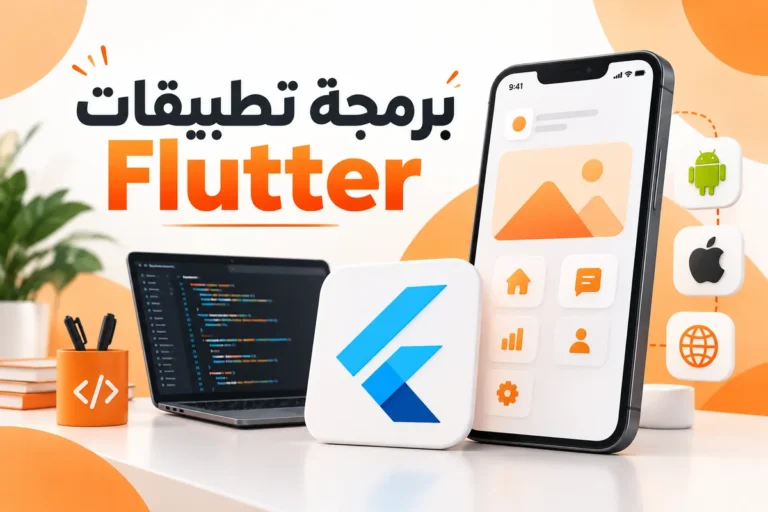
Dart is the programming language used with Flutter.
Flutter is a popular framework for developing applications that can run on multiple platforms from a shared codebase.
Flutter can be used to develop applications for:
-
Android
-
iOS
-
Web
-
Desktop
This makes Dart and Flutter popular choices for many cross-platform application projects.
Android App Development
Android applications are developed for devices running Google’s Android operating system.
An Android development project may include:
-
UI and UX design
-
Application programming
-
API integration
-
Payment gateway integration
-
Notifications
-
User accounts
-
Database integration
-
Testing
-
Google Play preparation
A professional Android application should also be optimized for different screen sizes and device specifications.
iPhone App Development
iPhone applications are designed to work within Apple’s iOS ecosystem.
Professional iOS application development should consider:
-
Apple’s user interface standards
-
Application performance
-
Device compatibility
-
Security
-
App Store requirements
-
Data protection
-
User experience
Testing is especially important before submitting an application for distribution.
Native vs Cross-Platform App Development
Businesses can generally choose between native development and cross-platform development.
Native Applications
Native applications are built specifically for one operating system.
For example:
-
Kotlin or Java for Android
-
Swift for iOS
Native development can provide strong performance and deeper access to device features.
Cross-Platform Applications
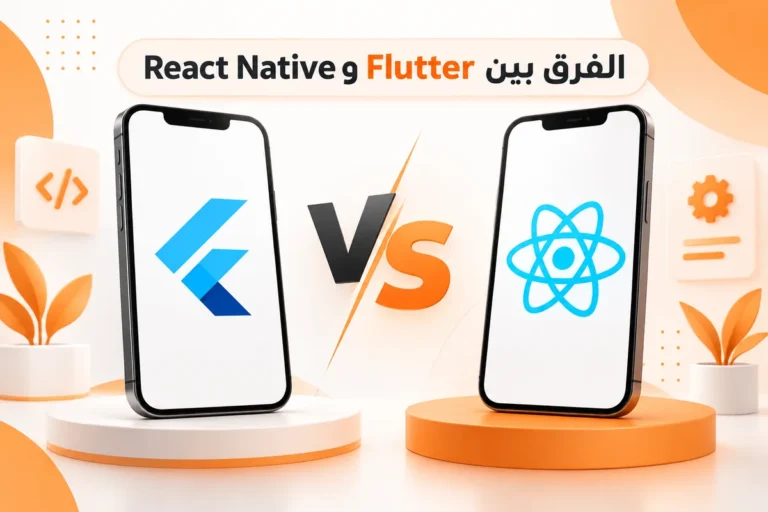
Cross-platform frameworks allow developers to build applications for multiple operating systems using a shared codebase.
Popular solutions include:
-
Flutter
-
React Native
Cross-platform development can be a practical choice for businesses that want to launch applications on both Android and iOS.
The best option depends on the complexity, features, performance requirements, and budget of the project.
Importance of Choosing a Reliable Android and iPhone App Development Company
Choosing the right development company can significantly affect the quality and long-term success of your application.
A professional development company should understand:
-
Application architecture
-
UI and UX design
-
Mobile security
-
Backend development
-
Databases
-
APIs
-
Payment integrations
-
Performance optimization
-
App store requirements
-
Application maintenance
The development team should also understand your business goals rather than focusing only on programming.
Importance of Mobile Apps in Business Marketing
Applications can play an important role in modern marketing strategies.
Below are some of the key benefits of using mobile applications for business.
1. Direct Access to Customers
Mobile applications provide businesses with a direct communication channel.
Customers can quickly access:
-
Products
-
Services
-
Offers
-
Account information
-
Support
-
Updates
This can make interaction with the business faster and more convenient.
2. Increased Customer Engagement
A mobile application can help businesses build stronger relationships with customers.
Features such as:
-
Notifications
-
Personalized content
-
Special offers
-
Loyalty programs
-
Customer accounts
can encourage users to interact with the brand more frequently.
3. Better User Experience
A well-designed mobile application can provide a faster and more personalized user experience.
Businesses can customize content and services based on:
-
Customer preferences
-
Previous purchases
-
Account information
-
User behavior
A simple interface and smooth navigation can also make services easier to access.
4. Targeted Marketing
Mobile applications allow businesses to implement more focused marketing strategies.
For example, companies can use:
-
Push notifications
-
Personalized promotions
-
Exclusive offers
-
Product recommendations
-
Loyalty rewards
This can help businesses communicate more effectively with existing customers.
5. Stronger Brand Presence
Having a professional mobile application can strengthen a company’s digital presence.
A well-designed application can support:
-
Brand recognition
-
Customer trust
-
Consistent visual identity
-
Customer loyalty
The application should use the same branding elements as the company’s website and other marketing channels.
6. Performance Analytics
Mobile applications can provide valuable information about user behavior.
Depending on the analytics tools used, businesses may be able to monitor:
-
Active users
-
Application sessions
-
Popular features
-
Conversion rates
-
Customer journeys
-
User retention
-
Application performance
These insights can help improve both the application and marketing strategy.
7. Direct Sales and Online Orders
Mobile applications can support direct purchasing and online ordering.
Customers may be able to:
-
Browse products
-
Add items to their cart
-
Place orders
-
Make payments
-
Track deliveries
-
Manage previous orders
Making these processes simple can improve the customer experience.
8. Innovation and Competitive Differentiation
Mobile applications can help businesses provide unique digital services.
Companies may use applications to introduce:
-
Automated services
-
Personalized experiences
-
Loyalty systems
-
Online booking
-
Customer dashboards
-
Real-time notifications
-
AI-powered tools
These features can help businesses differentiate their services in competitive markets.
Features of a Professional Business App
Depending on the type of business, a mobile application may include features such as:
-
User registration
-
Secure login
-
Customer profiles
-
Online payments
-
Product catalogs
-
Shopping carts
-
Online reservations
-
Live notifications
-
Customer support
-
Order tracking
-
Location services
-
Loyalty programs
-
Multi-language support
-
Analytics dashboards
-
API integration
The required features should be selected according to the actual business objectives.
Application Development Process
A professional app development project usually includes several stages.
1. Idea and Requirement Analysis
The development team studies:
-
Business goals
-
Target users
-
Required features
-
Competitors
-
Technical requirements
2. Planning
The project structure, development stages, and technical requirements are defined.
3. UI/UX Design
Designers create the application interface and user experience.
This includes:
-
Screens
-
Navigation
-
Buttons
-
Colors
-
Typography
-
User journeys
4. Development
Developers build the application and integrate its main features.
5. Testing
The application is tested to identify:
-
Software errors
-
Performance problems
-
Compatibility issues
-
Security problems
-
User experience issues
6. Launch
After testing, the application can be prepared for distribution through the appropriate app stores.
7. Maintenance and Updates
Applications require continuous maintenance after launch.
Maintenance may include:
-
Fixing bugs
-
Updating software libraries
-
Improving security
-
Adding new features
-
Improving performance
-
Supporting new operating system versions
Why Mobile App Maintenance Is Important
Launching an application is not the end of the development process.
Android and iOS operating systems are regularly updated, and mobile devices continue to change.
For this reason, applications may require continuous updates to maintain:
-
Compatibility
-
Performance
-
Security
-
User experience
-
Store compliance
Regular maintenance can also help businesses add new features based on customer feedback.
Conclusion
Developing a professional Android or iPhone application can help businesses improve customer communication, increase engagement, support digital sales, and provide more convenient services.
The success of an application depends on several factors, including:
-
Clear planning
-
Professional design
-
Appropriate technology
-
Strong performance
-
Security
-
User experience
-
Continuous maintenance
Choosing an experienced Android and iPhone app development company can help turn your business idea into a practical and scalable digital solution.
At First Marketing, we provide customized application development solutions designed around the requirements and objectives of each project.