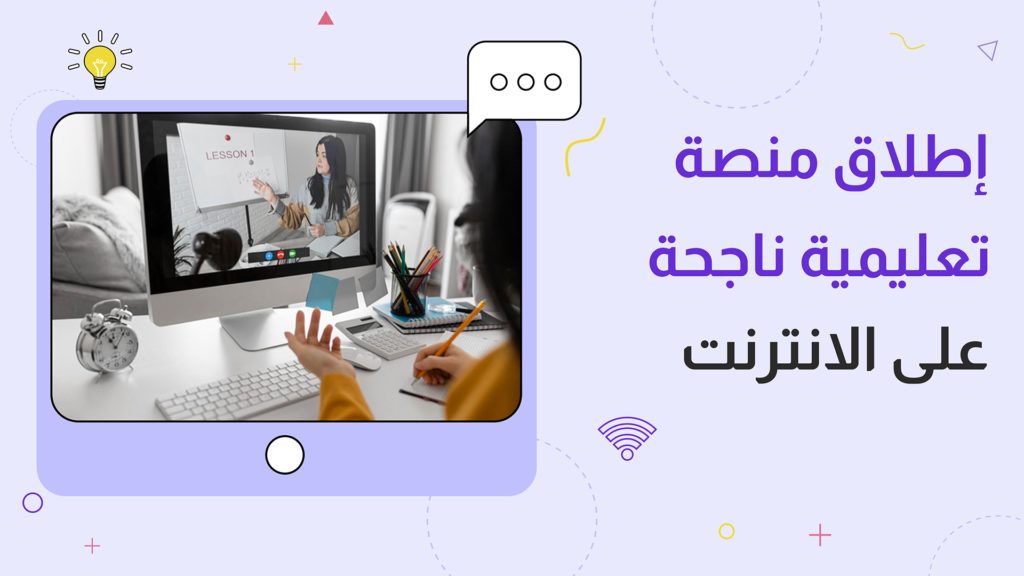
Educational Platform Design and Development
Educational platforms are among the modern tools that have revolutionized the methods of teaching and learning. These platforms provide an interactive environment through which learners can access educational content easily and flexibly. In this article, we will explore how to effectively design and develop educational platforms.
Components of Educational Platforms
Educational platforms include several essential components that contribute to improving the learning experience. These components include:
-
User Interface (UI): It should be simple and easy to navigate to facilitate access to information.
-
Content Management System (CMS): Allows instructors to easily add and update educational content.
-
Learning Management System (LMS): Helps track student progress and provides detailed reports and statistics.
-
Interactive Features: Such as forums and live discussions that enhance student engagement.
Steps for Designing Educational Platforms
1. Define Objectives: Clearly identify the educational objectives of the platform and the target audience.
2. Design the Interface: Create an attractive and user-friendly interface.
3. Choose the Technology: Use technologies such as HTML, CSS, and JavaScript for front-end development, and PHP or Python for back-end development.
4. Develop Features: Program essential features such as user login, lesson management, and online assessments.
5. Testing and Evaluation: Test the platform with a group of users to obtain feedback and improve performance.
6. Launch and Maintenance: Officially launch the platform and continuously maintain and update it.
Common Technologies Used in Educational Platform Development
-
PHP and WordPress: For developing interactive web applications.
-
HTML, CSS, and JavaScript: For developing web interfaces.
-
MySQL or MongoDB: As database management systems.
-
APIs: To integrate external services such as online payments or data analytics tools.
Benefits of Educational Platforms
-
Self-Paced Learning: Enables students to learn at their own pace.
-
Global Access: Students from around the world can access educational content.
-
Interaction and Communication: Facilitates communication and engagement between students and teachers.
Benefits and Return on Educational Platform Design
Designing an educational platform can provide numerous benefits for educational institutions, teachers, and students alike. Below are some of the main benefits:
1. Improving Access to Education
-
Distance Learning: Educational platforms allow students to access educational materials from anywhere and at any time, making distance education easier.
-
Diversity and Inclusion: Educational platforms can provide diverse content that meets the needs of a wide range of students.
2. Enhancing Interaction
-
Real-Time Interaction: Educational platforms allow immediate interaction between teachers and students through forums, chats, and assessments.
-
Collaborative Learning: They provide collaborative learning tools such as group projects, helping strengthen teamwork and communication skills.
3. Improving Educational Efficiency
-
Quick Updates: Educational content can be updated quickly to reflect curriculum changes or add new materials.
-
Personalization: The learning experience can be customized according to the individual needs of each student.
4. Performance Measurement and Analysis
-
Data Analysis: Educational platforms provide tools for analyzing student performance through tests and assessments, helping improve educational outcomes.
-
Detailed Reports: Administrators and teachers can access detailed reports about student progress and areas that need improvement.
5. Cost Savings
-
Reduced Costs: E-learning helps reduce expenses related to educational facilities, printed materials, and other traditional resources.
-
Open Resources: Students can access free or low-cost educational materials compared with traditional resources.
6. Innovation and Development
-
Encouraging Creativity: Educational platforms support innovation in teaching and learning methods by integrating modern technologies.
-
Professional Development: They allow teachers to easily access training and professional development programs.
In short, designing an educational platform can lead to more effective and flexible learning experiences, contributing to an overall improvement in the quality of education.
Professional Methods for Adding Lessons to Educational Platforms
Adding lessons to educational platforms requires careful planning and professional methods to ensure that information is presented effectively and attractively to learners. Below are some professional approaches that can be followed:
1. Use Multimedia
Images and Videos: Using explanatory images and videos can improve students’ understanding of educational material. These media should be high quality and aligned with the educational objectives.
Charts and Infographics: Charts and infographics can simplify complex information and transform it into content that is easier to understand.
2. Design Interactive Content
Interactive Quizzes: Adding interactive questions can encourage active learning and motivate students to think critically.
Forums and Discussions: Encouraging students to participate in forum discussions allows them to exchange ideas and broaden their understanding.
3. Organize Content Logically
Divide Content into Modules: Breaking content into smaller modules or lessons can help students absorb information gradually.
Subheadings and Lists: Using subheadings and lists can make content easier to read and understand.
4. Provide Additional Resources
Links and References: Including links to reliable external sources gives students the opportunity to deepen their knowledge of the topic.
E-Books and Articles: Providing additional reading materials can support the lessons and enhance the learning experience.
5. Performance Evaluation and Follow-Up
Short Quizzes: Providing short quizzes after each module can help measure how well students understand the material.
Feedback: Providing constructive feedback can motivate students to improve and develop their skills.
By following these professional methods, teachers can deliver more effective and engaging lessons through educational platforms, helping students gain the maximum benefit from their learning experience.
You can now contact us at 01212601601.